


Workplace Micro-Habits for Long-Term Wellness
High levels of stress and relentless productivity demands in the modern workplace have relegated wellness to the backburner. The concept of micro-habits—small, easily integrated actions—offers a simple yet powerful solution to enhance long-term employee well-being. Unlike major lifestyle overhauls, micro-habits are manageable, sustainable, and highly effective when adopted consistently.
While companies look for creative ways to promote wellness, micro-habits have come out as a very powerful tool. Evidence-based in their foundation, micro-habits use behavioral psychology to prove that small steps can pay big dividends physically, mentally, and organizationally. This article looks into the science of workplace micro-habits, practical examples, how to overcome barriers, and their long-term benefits to employees and organizations.

Micro-Habits: The Science Behind Small Steps with Big Results
Micro-habits are anchored in behavioral psychology, underlining the power of small actions to create lasting change. Unlike ambitious goals that require much time and energy, micro-habits are simple adjustments seamlessly woven into daily routines. This approach capitalizes on consistency and habit automation, where repeated behaviors become second nature.
Research has highlighted that micro-habits have the potential to make significant contributions to employee health, morale, and productivity. For example, small behavioral changes, such as interventions related to mindfulness exercises or posture correction, have been associated with reduced stress, anxiety, and depressive symptoms (Pine, 2016). Neuroscientific research shows that micro-habits employ reward-based neural pathways, reinforcing behaviors over time through dopamine-driven feedback loops (Wyatt, 2024).
Further validation of the value of micro-habits comes from the return on investment of wellness programs. One meta-analysis showed that for every dollar spent, there was a return of $3.27, while the absenteeism costs decreased by $2.73 per dollar (Wein, 2015). These figures indicate the potential transformation in embedding micro-habits into workplace wellness strategies.
Micro-Habits for Physical Wellness
Physical wellness is one of the cornerstones of health. Simple micro-habits can be implemented to counteract the sedentary nature of many modern jobs:
- Ergonomic Adjustments
The most common cause of musculoskeletal issues involves long-term sitting. Micro-habits that involve adjusting desk setups, standing during phone calls, or scheduling brief posture checks can help alleviate strain and improve comfort.
- Stretching Routines
Stretching is a low-effort yet high-impact micro-habit. A study on habit formation found that incorporating morning stretches improves physical flexibility and reduces stress (Fournier et al., 2017).
- Hydration Cues
Dehydration negatively impacts cognitive function and energy levels. Employees can set reminders or use gamified apps to stay hydrated, aligning with studies linking hydration habits to improved focus (Gowthamani et al., 2022).
- Step Count Goals
Walking meetings or choosing stairs over elevators can integrate movement into daily routines, promoting cardiovascular health. Wearable devices with step-tracking capabilities have been shown to boost physical activity and engagement (Souza et al., 2017).

SHW 36-Inch Height Adjustable Standing Desk Sit to Stand Riser Converter Workstation, Black

Amazon Basics Ergonomic Desk Office Chair, Flip-up Armrests, Adjustable Height, Grey Leather

Water Bottle with Time Marker - Straw & Chug Lid - BPA Free Half Gallon Water Bottle

Micro-Habits for Mental Wellness
Mental wellness often dictates workplace productivity. Micro-habits offer practical, evidence-backed ways to reduce stress and enhance focus:
- Mindful Breathing
A simple 60-second breathing exercise alone can significantly reduce stress. Another example of such a micro-habit is supported through apps like Headspace, which demonstrated a reduction in anxiety and depressive symptoms (Mani et al., 2015).
- Gratitude Practices
Expressing thanks encourages positivity and resilience. Employees who take a minute each day to write down one thing they are thankful for report better mental health and job satisfaction (Flett et al., 2018).
- Visual Breaks
The 20-20-20 rule (look at something 20 feet away for 20 seconds every 20 minutes) helps mitigate digital eye strain, a growing workplace concern. It has also been suggested to refresh one’s mental focus (Leonor Ceron Jojoa, 2023).
- Digital Detox Moments
Brief device-free intervals during lunch or between tasks can declutter the mind, reducing cognitive overload. Apps like Mindful Messaging promote healthier tech habits while improving emotional well-being (Trub & Starks, 2017).

Social and Emotional Micro-Habits
Workplace relationships have a direct impact on morale and collaboration. Social micro-habits develop stronger connections while cultivating a supportive culture:
- Daily Check-Ins
The habit of opening meetings with a quick emotional “check-in” encourages open communication and shows that one cares. It has also been associated with closer interpersonal relationships (Grechushkina, 2022).
- Compliments and Recognition
Recognizing colleagues’ efforts is one of the easiest yet most powerful habits. Giving regular compliments improves morale and builds a positive atmosphere, promoting emotional well-being.
- Collective Breaks
Taking micro-breaks together-to chat or simply walk around-encourages camaraderie and diminishes feelings of isolation among employees, especially in a hybrid setting.
Overcoming Challenges to Adopting Micro-Habits
Even though they are simple, adopting micro-habits in the workplace may be resisted for some reasons:
Common Challenges
- Time Perception: Employees may feel overwhelmed by existing responsibilities.
- Skepticism: Initial resistance could emanate from doubts as to how small changes could help.
- Lack of Personalization: Non-personalized programs generally don’t engage diverse employee needs.
Solutions
- Gamification: The addition of competitive elements such as tracking streaks or team challenges makes micro-habits engaging and fun.
- Leadership Advocacy: When managers model micro-habits, employees are inspired to broader adoption.
- Customized Programs: Personalized tools, such as wearable devices or mindfulness apps, accommodate individual tastes and preferences, thus increasing participation. Sforzo & Diggin, 2020.
Case Study: Micro-Habits in Action
A technology company implemented a micro-habit program that included gamified wellness apps, hydration tracking, and walking meetings. After just six months, the company was able to boast the following results:
- 25% decrease in absences due to stress.
- 15% reduction in sick days.
- 20% increase in job satisfaction.
These outcomes also show the tangible results of workplace micro-habits and long-term cultural shifts.
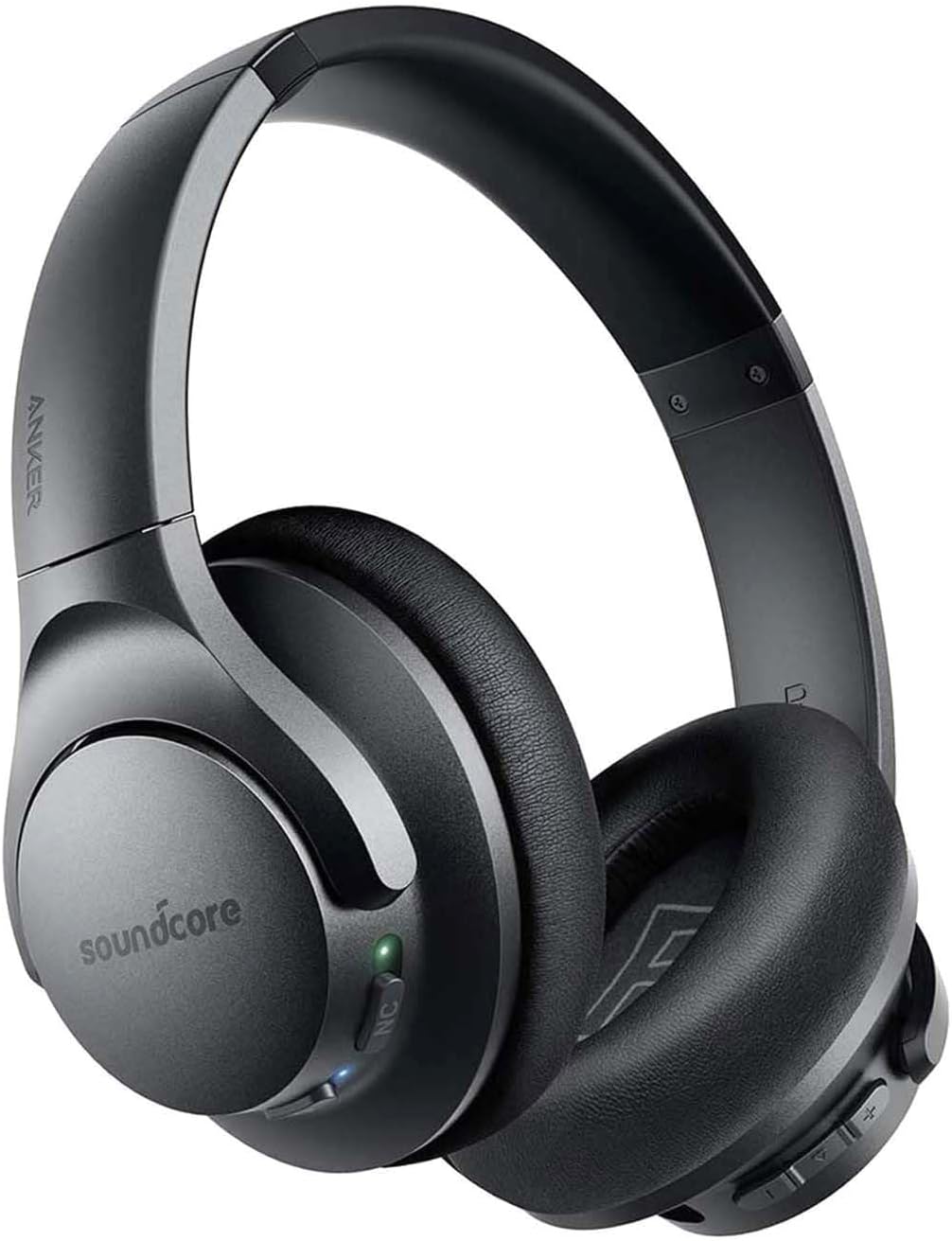
Soundcore Anker Life Q20 Hybrid Active Noise Cancelling Headphones, Wireless Over Ear Bluetooth Headphones
Long-Term Benefits of Micro-Habits
- Improved Productivity
Micro-habits such as mindfulness and movement breaks enhance energy and focus. For instance, programs aimed at employees’ lifestyle habits increased productivity by 10% in a population of laundry plant workers; better motivation and health served as the driving factors for these results (Gubler et al., 2017).
- Healthcare Costs
Preventive health actions embedded in micro-habits significantly cut employer expenses. A Harvard meta-analysis found that wellness programs generate a $6 return for every $1 spent, especially in disease management (Wein, 2015).
- Improved Retention
Organizations embedding wellness into their culture tend to report lower turnover rates. Employees who are into micro-habits feel valued more, hence having higher loyalty and satisfaction.
- Behavioral Sustainability
Small, frequent behaviors protect habits from motivational failures, leading to persistence over time (Gardner & Rebar, 2019).
Cultivating a Micro-Habits Culture
Micro-habits flourish in supportive environments where employees can practice consistently. These include the following on-boarding programs, welcoming the concept of wellness during onboarding procedures, offices equipped with ergonomic furniture, quiet zones for mindfulness; provision for regular evaluation and modification of the programs based on employees’ feedback.
Conclusion
Micro-habits are a game-changing yet accessible approach to workplace wellness. With these manageable practices embedded into daily routines, employees enhance their physical, mental, and social well-being, while organizations benefit from increased productivity and lower absenteeism. Simplicity makes micro-habits universally applicable. Indeed, small steps bring about transformative outcomes. Start small, stay consistent, and see the magic of micro-habits unfold.

You Might Like
Top 7 Durable and Stylish Materials for Modern Furniture
Top 7 Modern Furniture Materials for Durable and Stylish Introduction The choice of material in furniture is not just a
Medically Transform Your Health Right at Home
3 Tips Medically Transform Your Health Right at Home Introduction: Living healthier doesn’t have to mean joining an elite gym
10 Genius Storage Ideas for Small Apartments
10 Genius Storage Ideas for Small Apartment Storage Ideas Living in a small apartment can be anything from cozy to
Transform Your Living Space with Air-Purifying Plants: Day and Night Benefits
Transform Your Living Space with Air-Purifying Plants: Day and Night Benefits Breathing clean air in one’s home is indispensable for
Top Diets for Indoor Cats: Ensuring Health and Avoiding Common Issues
Ultimate Diets for Indoor Cats: Mastering Health and Preventing Issues Indoor cats face unique challenges that can influence their overall
How to Host an Eco-Friendly Christmas: 8 Tips for an Environmentally Friendly Holiday
How to Host an Eco-Friendly Christmas: 8 Tips for an Environmentally Friendly Holiday The things that make this time of
Instagram Feed
Coming Soon