


Transform Your Living Space with Air-Purifying Plants: Day and Night Benefits
Breathing clean air in one’s home is indispensable for health and general well-being. While air purifiers and open windows can help, there’s a more organic, beautiful solution in houseplants. These green allies are way more than adding beauty to your home since they purify the air, boost humidity, and even improve the quality of sleep. Let’s explore how to strategically choose and place houseplants for maximum benefit, based on research and real-world case studies.
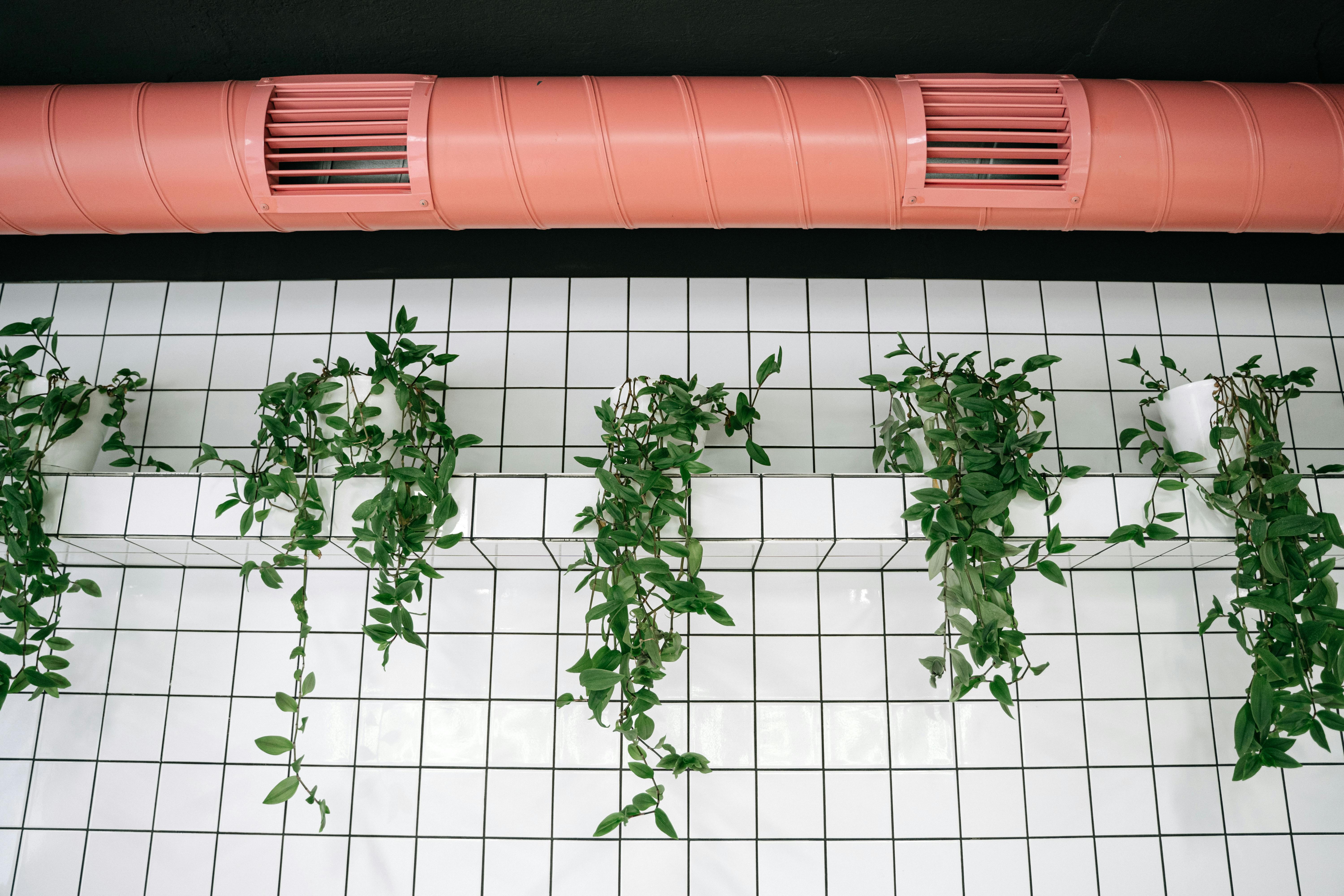
Why Indoor Air Quality Matters
Indoor air pollution can come from surprising sources:
- Furniture and paints
- Cleaning products
- Home construction materials
They emit volatile organic compounds VOCs such as formaldehyde, benzene, and trichloroethylene, which may affect respiratory health and well-being. Several houseplants have been found remarkably effective in fighting these pollutants. For instance, a study in one Portuguese primary school that was conducted by Pegas et al. in 2012 obtained readings of CO2 from 2004 ppm to 1121 ppm and PM10 concentrations reduced by approximately 30% through the addition of houseplants. That just goes to show that plants can really make a difference when it comes to keeping indoor air healthy.
Air-Purifying Plants for Daytime Air Quality Heroes
- Spider Plant (Chlorophytum comosum)
This plant is an excellent starting point. Recognized by its beautiful, arching leaves, the Spider Plant has more to it than its charm. Chuenko et al.’s (2023) studies indicate that this plant effectively absorbs formaldehyde and xylene, present in many household items. This plant also provides additional moisture to create a fresher atmosphere indoors.
Best location: Living rooms or home offices with medium sunlight
- English Ivy (Hedera helix)
Often associated with classic architecture, English Ivy proves to be an indoor powerhouse. According to Randani et al. (2018), it does a great job filtering out VOCs such as benzene and mold spores. The vine trails, so it is the perfect plant for hanging planters or high shelves, bringing elegance and function to any room.
- Areca Palm (Chamaedorea)
For a dual-action plant that purifies and humidifies, the unbeatable Areca Palm takes the price. This plant is perfect for dry states because it raises humidity while clearing the air of pollutants and toxins.
Best placement: Near windows to get the most out of its purifying capability.

Spider Plant (Chlorophytum comosum)
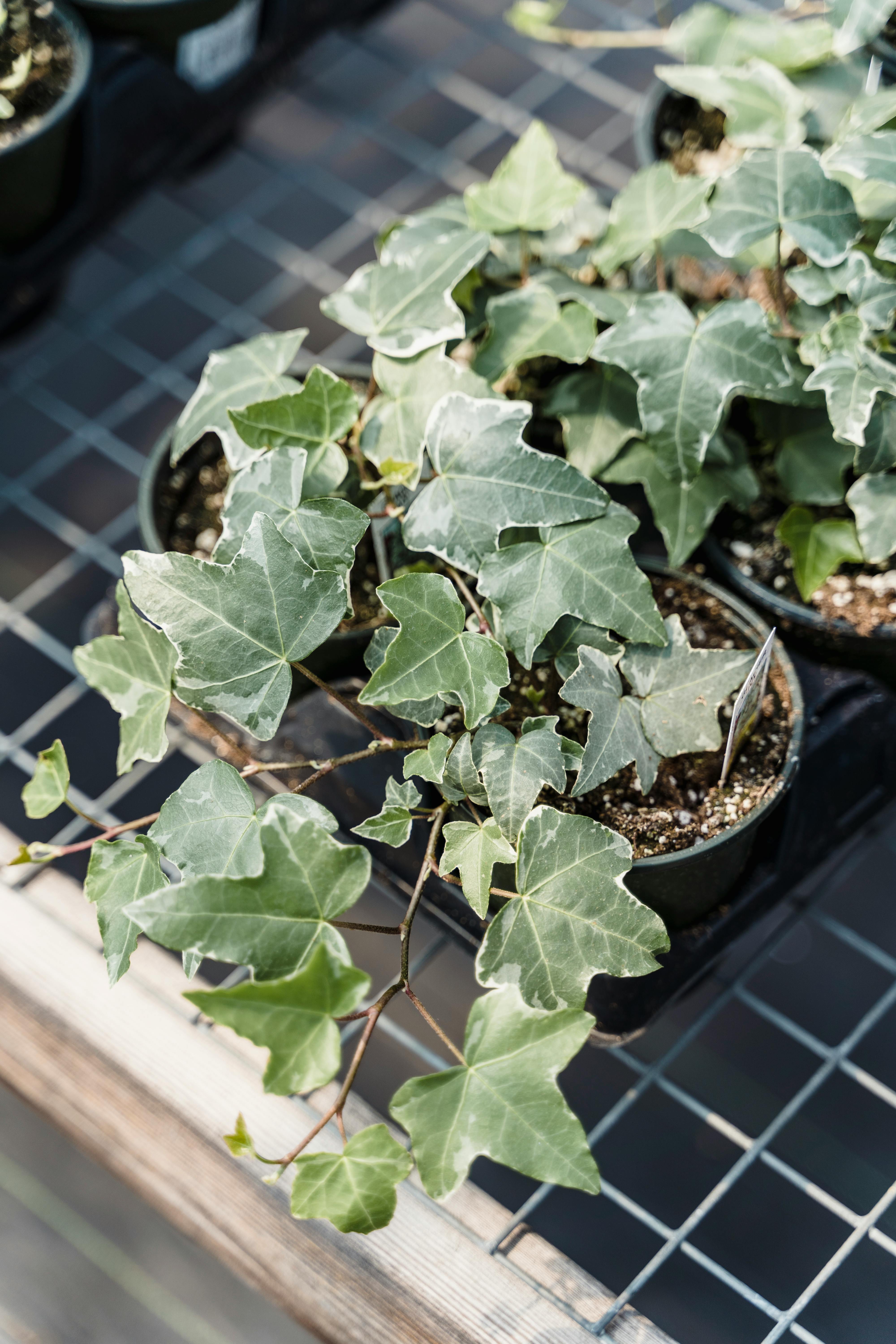
English Ivy (Hedera helix)
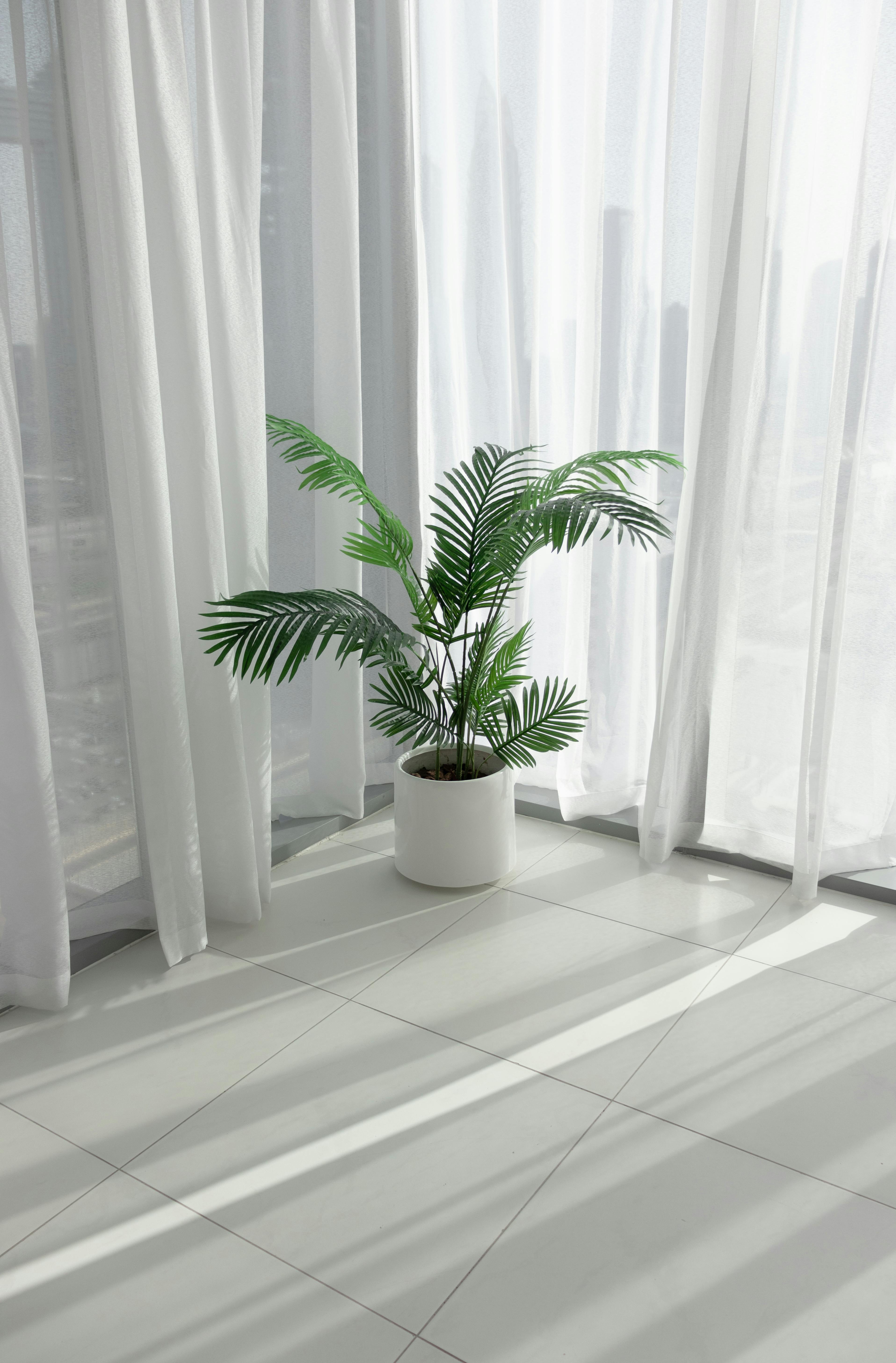
Spider Plant
Air-Purifying Plants for Nighttime Sleep
Meanwhile, some plants never stop working even when you are sleeping. The Snake Plant is one of those plants. Unlike most others, it emits oxygen at night and hence is perfect for the bedroom. According to Brilli et al. (2018), Snake Plant had effectively filtered formaldehyde and benzene, hence promoting a cleaner and more restful sleep.
- Peace Lily (Spathiphyllum) is another essential. Not just decorative with its beautiful white blooms, it absorbs trichloroethylene and formaldehyde, as shown by Pegas et al. (2012). Additionally, the Peace Lily increases humidity, which can soothe dry airways, aiding a more comfortable sleep.
Placement tip: Corners of bedrooms or shaded living spaces.

Spider Plant (Chlorophytum comosum)
Science-Backed Proof of Plant Power
If you’re wondering whether these benefits are more than just anecdotal, the evidence speaks for itself:
- Portuguese School Study-Pegas et al., 2012: CO2 levels decreased when plants were added.
- Taipei Study-Chen et al., 2020: Lower levels of PM2.5 and VOCs in homes with plants corresponded to better heart rate and blood pressure values in the residents.
These confirm that houseplants provide much more than decoration by enriching an indoors environment with good health.
The Concept of "Indoor Forest Bathing
Inspired by shinrin-yoku, or forest bathing, “indoor forest bathing” is a practice that nurtures well-being through immersion in plants. This translates to the home environment by using plants such as the Peace Lily, which emits biogenic VOCs with potential antiviral properties (Roviello et al., 2021).
Tip: Cluster Peace Lilies together in your relaxation space for optimal calming and restorative effect.
Multi-Benefit Plants for All-Day Wellness
Houseplants bring more than air purification: some of them, like Lavender Lavandula, are considered relaxants. While not the most potent air purifier, the scents reduce anxiety and give better sleep. Pair the Lavender against a Gerbera Daisy Gerbera jamesonii, a very efficient benzene remover, for a balance of air quality and mood elevation.
- Aloe Vera is another multitasker. Besides absorbing formaldehyde and benzene, it offers a natural remedy to minor burns and skin irritations with the gel inside its leaves.
Where to place: Sunny kitchen windowsills for quick access and natural light.
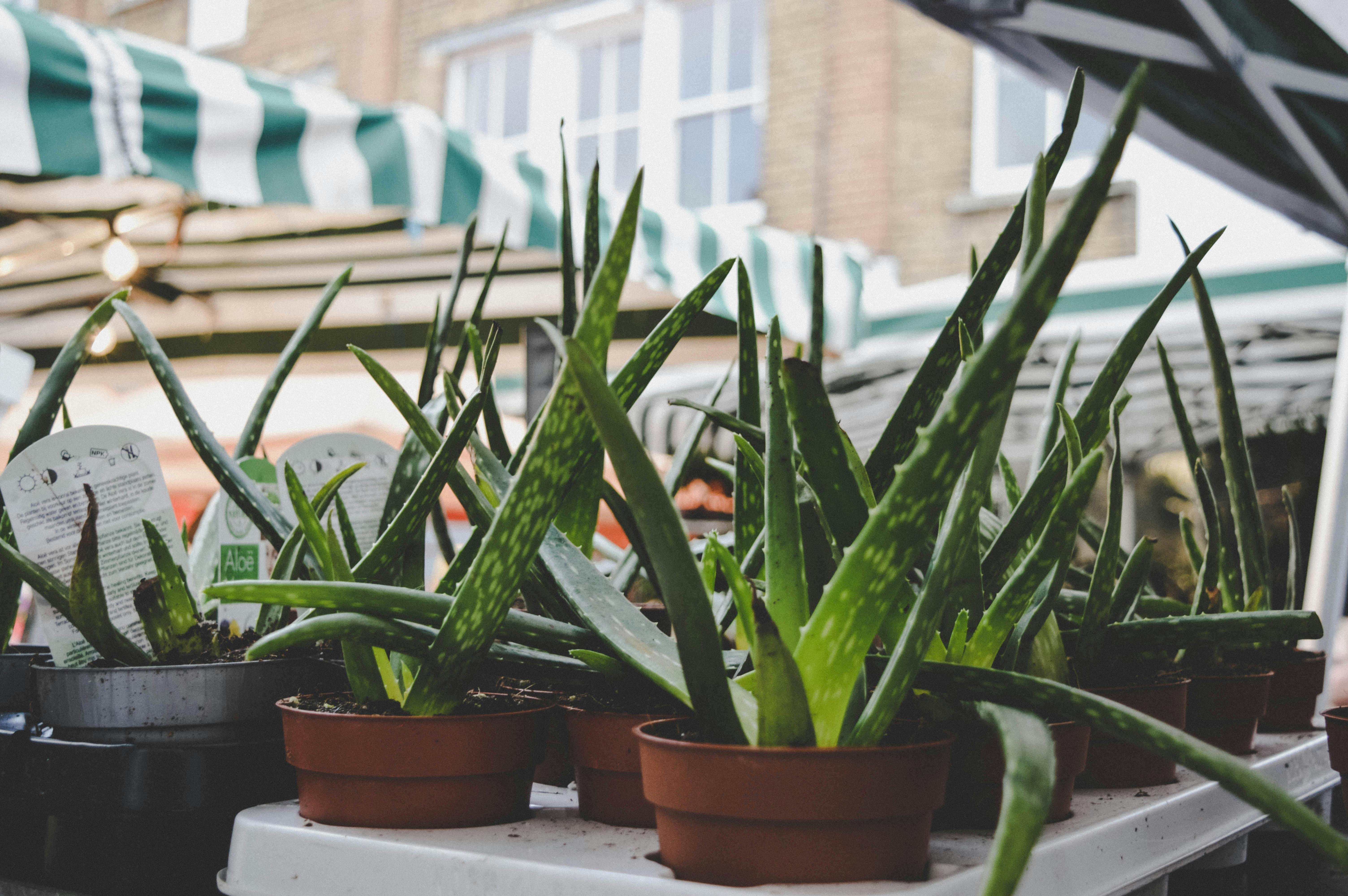
Aloe Vera
Smart Plant Pairing for Enhanced Impact
Combining plants can amplify their benefits:
- Spider Plant + Peace Lily: The dynamic duo of air purification 24/7. While Spider Plants are working during the day, Peace Lilies take over at night.
- Snake Plant + Bamboo Palm: Snake Plants provide oxygen at night while Bamboo Palms remove toxins and add moisture to the air during the day.
Layout Tips:
- Utilize the air with hanging English Ivy or place trailing Pothos (Epipremnum aureum) on high shelves.
- Position Aloe Vera in sunny spots for dual air purification and skincare benefits.

Snake Plant
- Realistic Desk Plant – This artificial snake plant in pots adds a splash of green to the home with its bright vivid leaves. Fake snake plant sword-shaped leaves with horizontal stripes for visual appeal, snake plant artificial potted offers a naturally attractive look.

Snake Plant, Golden Money Plant, Bamboo Palm and Oxycardium Red for Home, Office
- Air Purification: Enjoy the benefits of cleaner and fresher air with these plants, as they are known for their excellent air-purifying properties, reducing toxins and promoting a healthier indoor environment.
Sustainable Care Practices
Keeping plants healthy doesn’t have to be complicated:
- Watering: Use rainwater to avoid tap water chemicals.
- Fertilization: Create egg-based water solutions or use compost.
- Natural pest control: Spray diluted neem oil for an eco-friendly fix.
Also, propagation is a green practice: plants such as Spider Plants and Pothos may be propagated through cuttings, enabling one to increase their plant collection or pass some on to friends without having to spend an extra buck.
Your Path to a Healthier Home
Choosing the right houseplants goes beyond decor to make a decided investment in health. From the Spider Plant for daytime air quality to the Peace Lily for restful nights, each plant brings unique benefits. Embrace these natural purifiers and adopt simple care practices for a greener, healthier, and more serene living space.
Keep it small by selecting one or two plants from this guide. Place them in thoughtful spots and watch your home transform into a haven that nurtures body and mind.
You Might Like
Top 7 Durable and Stylish Materials for Modern Furniture
Top 7 Modern Furniture Materials for Durable and Stylish Introduction The choice of material in furniture is not just a
Workplace Micro-Habits for Long-Term Wellness
Workplace Micro-Habits for Long-Term Wellness High levels of stress and relentless productivity demands in the modern workplace have relegated wellness
Medically Transform Your Health Right at Home
3 Tips Medically Transform Your Health Right at Home Introduction: Living healthier doesn’t have to mean joining an elite gym
10 Genius Storage Ideas for Small Apartments
10 Genius Storage Ideas for Small Apartment Storage Ideas Living in a small apartment can be anything from cozy to
Top Diets for Indoor Cats: Ensuring Health and Avoiding Common Issues
Ultimate Diets for Indoor Cats: Mastering Health and Preventing Issues Indoor cats face unique challenges that can influence their overall
How to Host an Eco-Friendly Christmas: 8 Tips for an Environmentally Friendly Holiday
How to Host an Eco-Friendly Christmas: 8 Tips for an Environmentally Friendly Holiday The things that make this time of
Instagram Feed
Coming Soon