


Gardening for Beginners: Full Guide to Start Your Green Journey
Introduction
Thinking of starting a garden and not knowing where to start? It is a great hobby because it is rewarding and therapeutic; it gets you connected with nature, improving your outdoor space. Be it flowers, vegetables, or herbs, this beginner’s guide shall help you with the essential tips and tricks and the benefits involved in gardening.
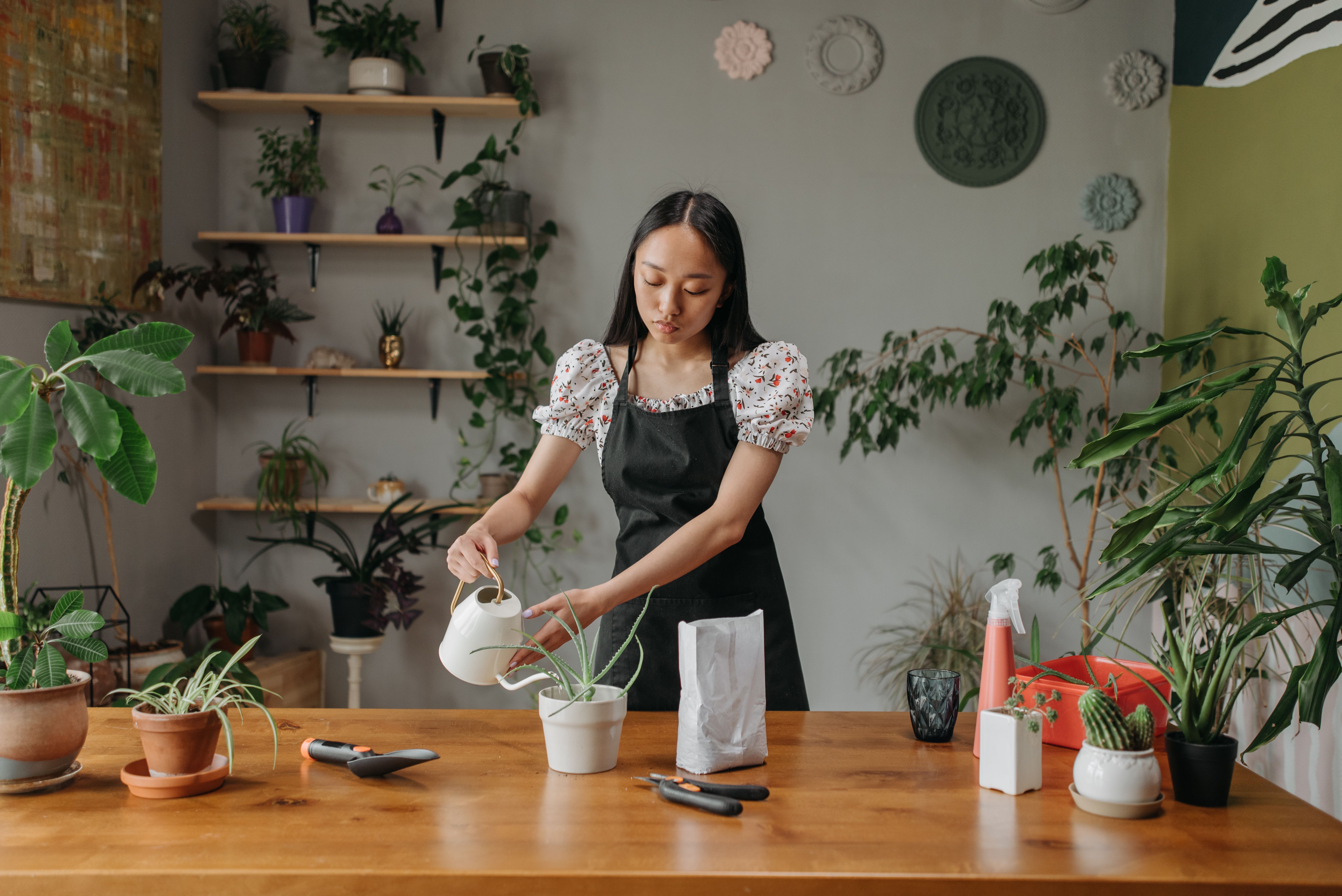
Why Start Gardening?
Improve Your Mental Health
It is commonly known that stress and anxiety levels are reduced in gardening. It has proved great for improving your mood and gives satisfaction by working outdoors, with your hands, and looking after plants.
Fresh Homegrown Produce
Growing vegetables and fruits behind your house can simply not be beaten for freshness and flavor. It enables one to grow organic and pesticide-free produce, thus making meals far healthier for you and your family.
Money-Saving
There is some initial expense in getting the right tools and seeds to begin with, but over some time, one could be saving significantly on grocery bills. Plus, one will always have fresh ingredients on hand.
Improve Your Physical Health
Gardening can also be thought of as a mild form of exercise. From digging to watering, all of these tasks keep you moving without your having to go to the gym. It can improve strength, flexibility, and coordination.
Step by Step Gardening for Beginners
1. Choose Your Garden Type
Before you actually begin, you need to know what type of garden you want to grow. There are many choices here:
- Vegetable Garden: People like to grow vegetables in a dedicated space or containers because it is one of the healthy ways to feed oneself and one’s family.
- Flower Garden: You can make your yard look beautiful with flowers.
- Herb Garden: It is ideal for small areas but can also be grown indoors. Many herbs, like basil, mint, and rosemary, are grown easily.
:max_bytes(150000):strip_icc():format(webp)/vegetables-to-never-plant-together-9416cc0a6ff646f6af779cc629ca3de5.jpg)


2. Start Small
It is the most tempting thing to start big, but if one is a novice, it is better to start small and manage it. Choose a plot that receives plenty of sunlight. Start planting easy plants to grow. As soon as you will be gaining confidence, you may expand your garden.
3. Learn Your Soil Type - Understanding Organic Soil: Foundation for Success
Healthy soil is the backbone of any thriving garden. In sustainable gardening, organic soil is immensely beneficial. Unlike conventional soils, which are treated with synthetic chemicals, organic soil has decomposed plant matter and good microorganisms in it naturally.
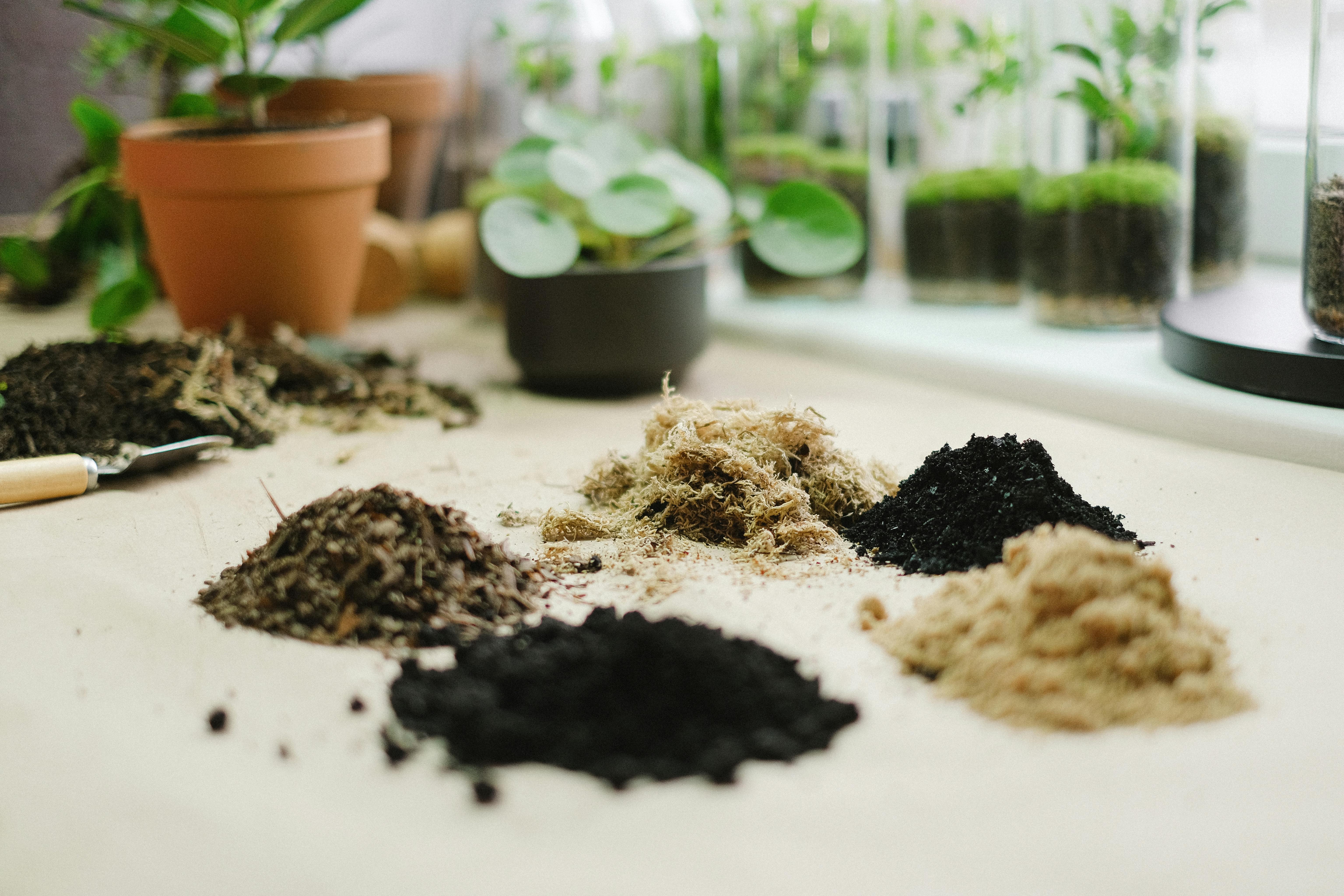
Benefits of Organic Soil for Gardening for Beginners
- Nutritive Composition: Organic soil is complete with all types of necessary nutrients your plants will require to survive, such as nitrogen, phosphorus, and potassium. These nutrients are released gradually to your plants, which enable them to grow healthily without the use of synthetic fertilizers.
- Improved Soil Structure: Organic matter in organic soil will amend or improve the texture of the soil; it loosens tight clay soils and improves inorganic sandy soils. This structure alters water retention and reduces the risk of soil erosion.
- Better water retention: Organic soil is just like a sponge-it will absorb it and hold on to water. This can be very beneficial for novice gardeners who are still learning about the right frequency of watering. It reduces the frequency of watering, thus conserving water.
- Promotes Biodiversity: Organic soil supports highly beneficial organisms, such as earthworms and fungi that greatly assist in building up the soil to improve its nutrient cycling. A biodiverse soil ecosystem can protect your plants against pests and diseases while boosting their general resilience.
Building and Maintaining Organic Soil
- Organic soil for the beginner gardener sets the pace for long-term success in gardening. The following are simple steps in creating and maintaining organic soil in your garden: composting, begin with composting the kitchen scraps and yard waste. Compost added to your garden will improve the structure of the soil and provide nourishment for your plants.
- Organic Mulching: Organic mulches like leaves and straw are excellent for retaining moisture in your plants and rejecting weeds. While decomposing, organic material adds more organic matter to your soil.
- Avoid Synthetic Chemicals: Go for organic ways, such as compost tea and natural pest controls. They will feed your plants without causing any harm to the environment.
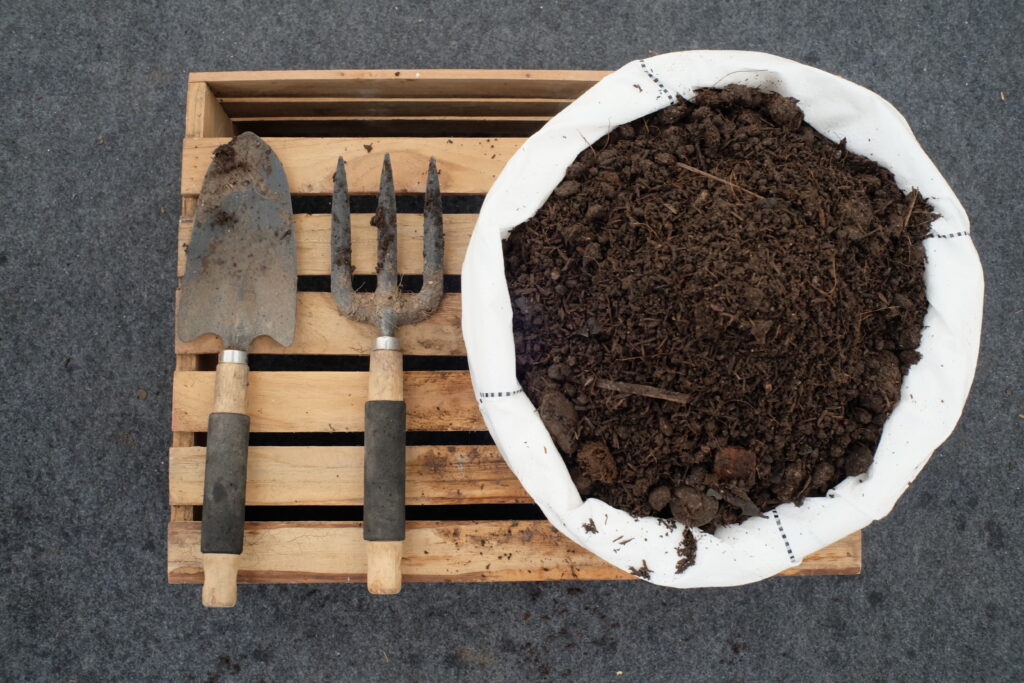
4. Choose Plants Suitable for Your Plant Hardiness Zone
Not all plants are created equal! As a beginner, you need to acquire plants that are low maintenance and easy to grow. Here are some ideal, beginner-friendly plant options to get you started:
Vegetables:
- Tomatoes: Probably one of the easiest and most rewarding vegetables to raise. If you are a complete newbie, start with cherry tomatoes for quicker harvests.
- Lettuce: It is fast-growing and great to harvest in succession.
- Carrots: A root vegetable that grows quite well in loose, well-drained soil.
- Radishes: Just perfect for the experienced or absolute novice, radishes mature very fast and can be grown almost year-round.

Flowers:
- Sunflowers: Great for the novice, sunflowers are hardy, grow tall, and bring color to your garden.
- Marigolds: Easy to grow, few pests bother them, and they help protect other flowers in your garden.
- Zinnias: Plant them, forget about them, and they still bloom brightly all summer.
- Nasturtiums: Yet another edible flower, it brings color to the table and helps with pest control in general.
- Herbs Basil: Loves warm weather, and you can grow them both indoors and outdoors.
- Parsley: This is a very hardy herb that does well under most climatic conditions.
- Thyme: A hardy perennial that goes well with poor soils and lack of water.
- Chives: “These are not only easy to grow in pots or garden beds, but they add just the right light onion flavor to so many foods.”

Tip: Learn your hardiness zone, and then you can easily find plants with good compatibility to that zone. Essential Gardening Tools for Beginners. You don’t need much in terms of really expensive equipment to get a garden going. Here are some basic tools that any beginner will find indispensable:
- Trowel: For digging small holes, planting, and transplanting.
- Gloves: They protect your hands from dirt, thorns, and insects.
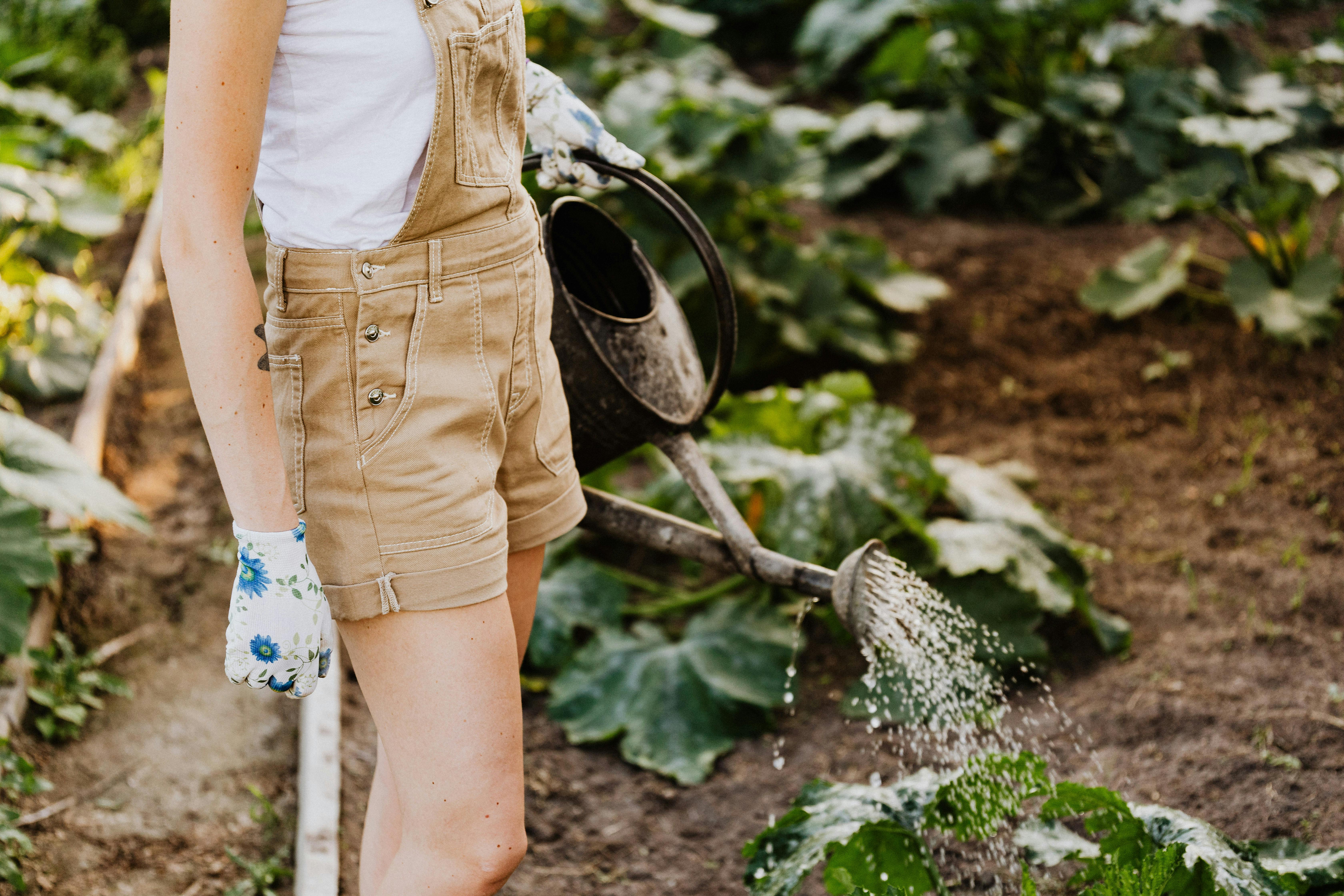
- Watering Can or Hose: This is what keeps your plants hydrated.
- Pruners: To cut back plants and trim off dead leaves.
- Garden Fork: Helps loosen soil and remove weeds.
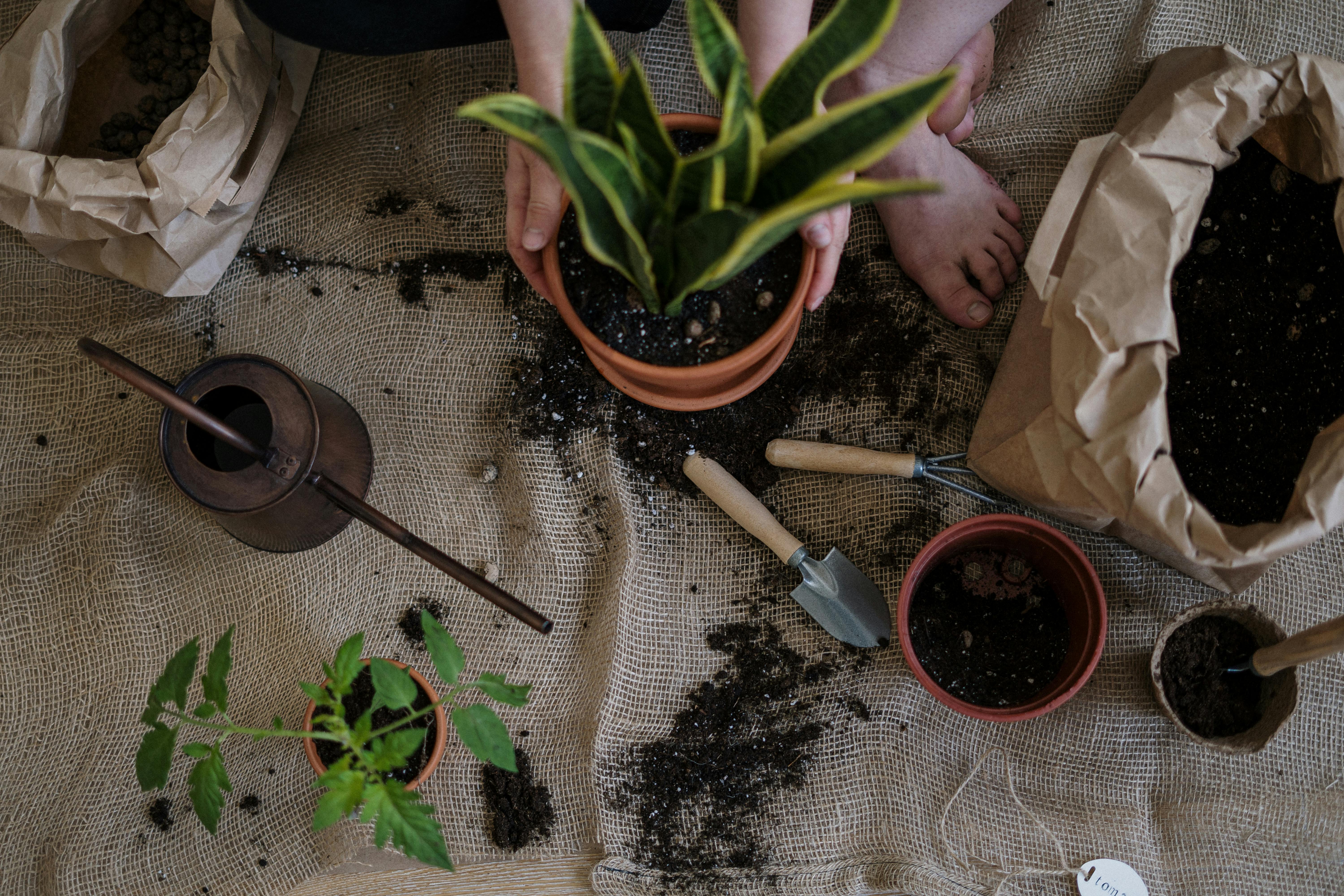
Gardening for Beginners Tips
Watering Wisely:
Most plants need water; their regular replenishment is a plus, but overwatering must be avoided. It is from this basis that the rule of thumb will be to water when the top inch of soil feels dry. Morning will be an appropriate time because by then, plants can absorb the moisture before it gets extremely hot.
Feed them to keep them healthy and growing strong. Organic fertilizers like compost or fish emulsion work wonders. You can make your own compost from kitchen scraps and garden waste.
Mulch for Moisture and Weed Control:
Most plants need water; their regular replenishment is a plus, but overwatering must be avoided. It is from this basis that the rule of thumb will be to water when the top inch of soil feels dry. Morning will be an appropriate time because by then, plants can absorb the moisture before it gets extremely hot.
Feed them to keep them healthy and growing strong. Organic fertilizers like compost or fish emulsion work wonders. You can make your own compost from kitchen scraps and garden waste.
Know When to Harvest:
If you are growing vegetables, it’s important to learn when your vegetable is ready to pick. For example, tomatoes are ready to be picked when the tomato turns completely red. Lettuce is ready when the leaves become big enough to eat.
Common Gardening for Beginners Mistakes and How to Avoid Them
Poor Planning
- Mistake: Dive on in without a garden layout can lead to overcrowding and poor plant placement.
- Suggestion: Create a blueprint on considering sunlight, varying heights, and space for the plants to grow optimally.
Incorrect Watering
- Mistake: A surfeit or deficit of water affects the plants and is manifested through root rot or desiccation.
- Tip: Make sure to water deeply, less often. Allow the first inch of soil to dry out between waterings.
Not doing Maintenance
- Mistake: Failure to regularly check for pest issues or not harvesting your plants can create larger problems.
- Tip: Regularly inspect your plants for pests and signs of disease, and pick produce at the right time for the best flavor.
Poor Soil Quality
- Mistake: Poor quality of soil can lead to the dysfunctional growth of plants and deficiencies of numerous vital nutrients.
- Suggestion: Good-quality compost or garden soil mix is worth the investment in looking after the needs for nutrients.
Ignoring Plant Camaraderie
- Mistake: Not companion planting, or choosing plants to complement each other in growth, invites pests and can stultify growth.
- Tip: Find some easy-to-implement companion planting schemes you can do to maximize growth and help reduce issues with pests.
The Environmental Benefits of Gardening
Supports Local Wildlife:
Gardening can create habitats for bees, butterflies, birds, and other wildlife. By planting native species and avoiding chemicals, you contribute to the development of biodiversity.
Reduces Carbon Footprint:
It decreases your carbon footprint, as the amount of time and resources spent transporting groceries will be lessened by growing one’s own food. Furthermore, plants intake CO2 and emit oxygen, freshening the air.
Saves Water:
Your garden can be water-efficient, once you put a bit more effort into it. Set up the rain barrel to collect rainwater, and go with plants that need minimal water, drought-resistant ones.
Conclusion: Start Your Gardening Today
On the other hand, gardening need not be an overwhelming task for a first-timer, as long as one invests just a little patience and proper care. Fresh vegetables, flowers to lift any person’s mood, and a feeling of reconnecting with nature would come about from all this. In addition, you get to contribute positively to health and the environment. Now, just get a bit dirty, start small, and in no time, your garden will be a beautiful, highly productive haven for several years!

You Might Like
Top 7 Durable and Stylish Materials for Modern Furniture
Top 7 Modern Furniture Materials for Durable and Stylish Introduction The choice of material in furniture is not just a
Workplace Micro-Habits for Long-Term Wellness
Workplace Micro-Habits for Long-Term Wellness High levels of stress and relentless productivity demands in the modern workplace have relegated wellness
Medically Transform Your Health Right at Home
3 Tips Medically Transform Your Health Right at Home Introduction: Living healthier doesn’t have to mean joining an elite gym
10 Genius Storage Ideas for Small Apartments
10 Genius Storage Ideas for Small Apartment Storage Ideas Living in a small apartment can be anything from cozy to
Transform Your Living Space with Air-Purifying Plants: Day and Night Benefits
Transform Your Living Space with Air-Purifying Plants: Day and Night Benefits Breathing clean air in one’s home is indispensable for
Top Diets for Indoor Cats: Ensuring Health and Avoiding Common Issues
Ultimate Diets for Indoor Cats: Mastering Health and Preventing Issues Indoor cats face unique challenges that can influence their overall
Instagram Feed
Coming Soon