


Ultimate Diets for Indoor Cats: Mastering Health and Preventing Issues
Indoor cats face unique challenges that can influence their overall health and lifestyle. Unlike outdoor cats, they are more prone to weight gain, limited physical activity, and certain health conditions due to reduced exercise and stimulation. Feeding them a well-balanced diet that caters to their specific needs is essential for maintaining their health and preventing issues. This guide will outline the best diets for indoor cats, address their nutritional requirements, common health challenges, and share practical tips to keep your feline happy and thriving.
Quick Tips
High Protein
Choose cat food with 30-40% protein sourced from identifiable animal ingredients (e.g., chicken, turkey).
Hydration Matters
Wet food with a minimum of 70% moisture content aids in hydration and supports urinary health.
Portion Control
Carefully monitor portions to prevent obesity, and consider weight management options if necessary.
Healthy Fats
Omega-3 and omega-6 fatty acids promote skin and coat health.

Blue Buffalo Wilderness Natural Adult Dry Cat Food, High-Protein
HEALTHY, WHOLESOME INGREDIENTS: This natural cat food is made with no chicken (or poultry) by-product meals and no corn, wheat, or soy

Purina ONE High Protein, Natural Dry Kitten Food, +Plus Healthy Kitten Formula - 16 lb. Bag
Great tasting, deliciously crunchy bites of kitten cat food kibble plus added calcium support her strong teeth and healthy gums while giving her a texture she loves
Lorem ipsum dolor sit amet, consectetur adipiscing elit. Ut elit tellus, luctus nec ullamcorper mattis, pulvinar dapibus leo.
Understanding Indoor Cats' Nutritional Needs
Indoor cats often live a more sedentary life, making it vital to provide a diet that promotes their well-being without contributing to excess weight. A well-rounded diet should include:
- High-Quality Protein: As obligate carnivores, cats thrive on protein-rich, animal-based foods. Ensure the primary ingredient in their food is a high-quality protein, such as chicken, turkey, or fish. Ideally, the protein content should range from 30-40% to support muscle growth, maintenance, and overall health. Rotating protein sources can help offer a range of nutrients and minimize potential food sensitivities.
- Healthy Fats: Essential fatty acids like omega-3 and omega-6 contribute to a healthy coat and skin while supporting cognitive health. Sources such as fish oil or chicken fat are beneficial. Adding supplements like salmon oil can enhance skin health and reduce shedding.
- Fiber: To aid digestion and minimize hairballs, which are common in cats that groom frequently, additional fiber can be beneficial. Ingredients such as beet pulp or psyllium husk support digestive health. A spoonful of plain pumpkin puree (not spiced pie filling) can also provide natural fiber.
- Taurine: This essential amino acid, critical for heart health, vision, and reproductive function, must be included in your cat’s diet. Check that it is listed on the nutritional label of their food.
- Low Carbohydrates: Cats have minimal carbohydrate requirements, so avoid diets high in grains or fillers, which can lead to weight issues. If using dry food, choose grain-free options.
- Hydration: Indoor cats may not drink enough water on their own, so incorporating wet food into their diet helps maintain hydration, kidney health, and reduces the risk of urinary tract issues. Aim for wet food with at least 70% moisture. Pet water fountains may also encourage cats to drink more frequently due to their preference for moving water.

Purina Pro Plan Urinary Tract Health Chicken Entree in Gravy Cat Food - (Pack of 24) 3 oz. Pull-Top Cans
High protein urinary tract cat food made with real chicken for a taste cats love in a highly digestible formula for optimal nutrient delivery

Royal Canin Feline Digestive Care Thin Slices in Gravy Wet Cat Food, 3 oz can (24-count)
FOR CATS WITH SENSITIVE STOMACHS: Royal Canin Digestive Care Thin Slices in Gravy Wet Cat Food is formulated for cats 1 year and older with sensitive stomachs
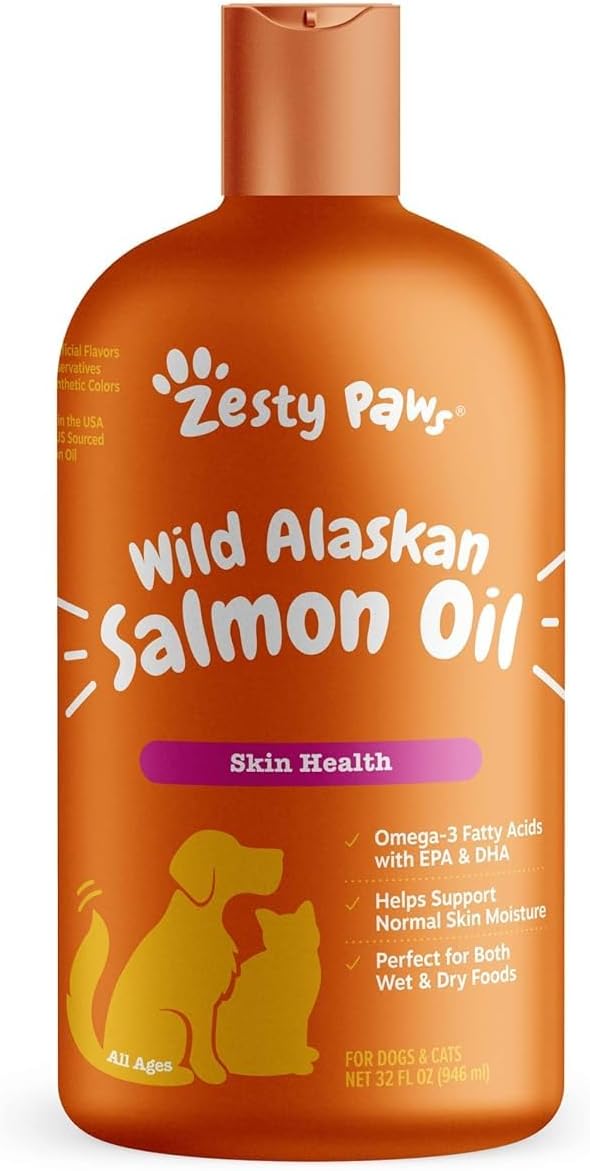
Wild Alaskan Salmon Oil for Dogs & Cats - Omega 3 Skin & Coat Support - Liquid Food Supplement for Pets
Crude Fat Moisture (Max.) Linolenic Acid (Omega-3 Fatty Acids) EPA (Eicosapentaenoic Acid) DHA (Docosahexaenoic Acid) Salmon Oil, Mixed Tocopherols (Natural).
Feeding Guide:
Cat Weight (lbs) | Daily Portion (Dry Food) | Daily Portion (Wet Food) |
5 | 1/4 cup | 1/3 can |
10 | 1/2 cup | 1/2 can |
15 | 3/4 cup | 3/4 can |
20 | 1 cup | 1 can |
Adjust portions based on your cat’s activity and metabolism. Regularly monitor their weight and consult a vet for personalized advice.
Common Health Challenges and Prevention
- Obesity: Lower activity levels in indoor cats make them prone to obesity. Adhering to a consistent feeding schedule and controlling portion sizes are essential. Use a measuring cup to avoid overfeeding, and engage your cat in daily play for at least 20 minutes using toys that stimulate their natural hunting instincts, such as feather wands or laser pointers.
- Dental Issues: Dental disease is a common issue that can lead to severe health problems. Crunchy kibble can help reduce plaque buildup. Look for dental-focused cat foods and schedule regular dental checkups. Dental chews and toys designed to support oral hygiene can also be beneficial.
- Urinary Tract Problems: Ensuring adequate hydration helps prevent urinary issues, such as blockages or crystals. Along with wet food, adding water or low-sodium broth to dry food can boost fluid intake. Monitor litter box habits for any changes.
- Hairballs: Due to regular grooming, indoor cats often deal with hairballs. High-fiber diets aid in digestion and help expel ingested fur. Regular brushing several times a week, especially during shedding seasons, can also reduce hairball formation.
- Chronic Conditions: Preventive care, including regular veterinary visits, is key to managing conditions like diabetes or kidney disease. If diagnosed with a chronic illness, work closely with your vet to tailor a diet plan suited to your cat’s specific needs.

Seresto Cat Vet-Recommended Flea & Tick Treatment & Prevention Collar for Cats | 8 Months Protection
Vet-recommended, premium flea & tick protection for cats & kittens without the price tag

Advantage II Large Cat Vet-Recommended Flea Treatment & Prevention | Cats Over 9 lbs. | 6-Month Supply
- Advantage II Large Cat is a leading brand in cat flea treatment and prevention for large cats over 9 lbs., at least 8 weeks of age
- Vet-recommended, easy-to-apply monthly topical treatment – no hard-to-swallow pills, no prescription needed
Preventive Healthcare Measures
Vaccinations
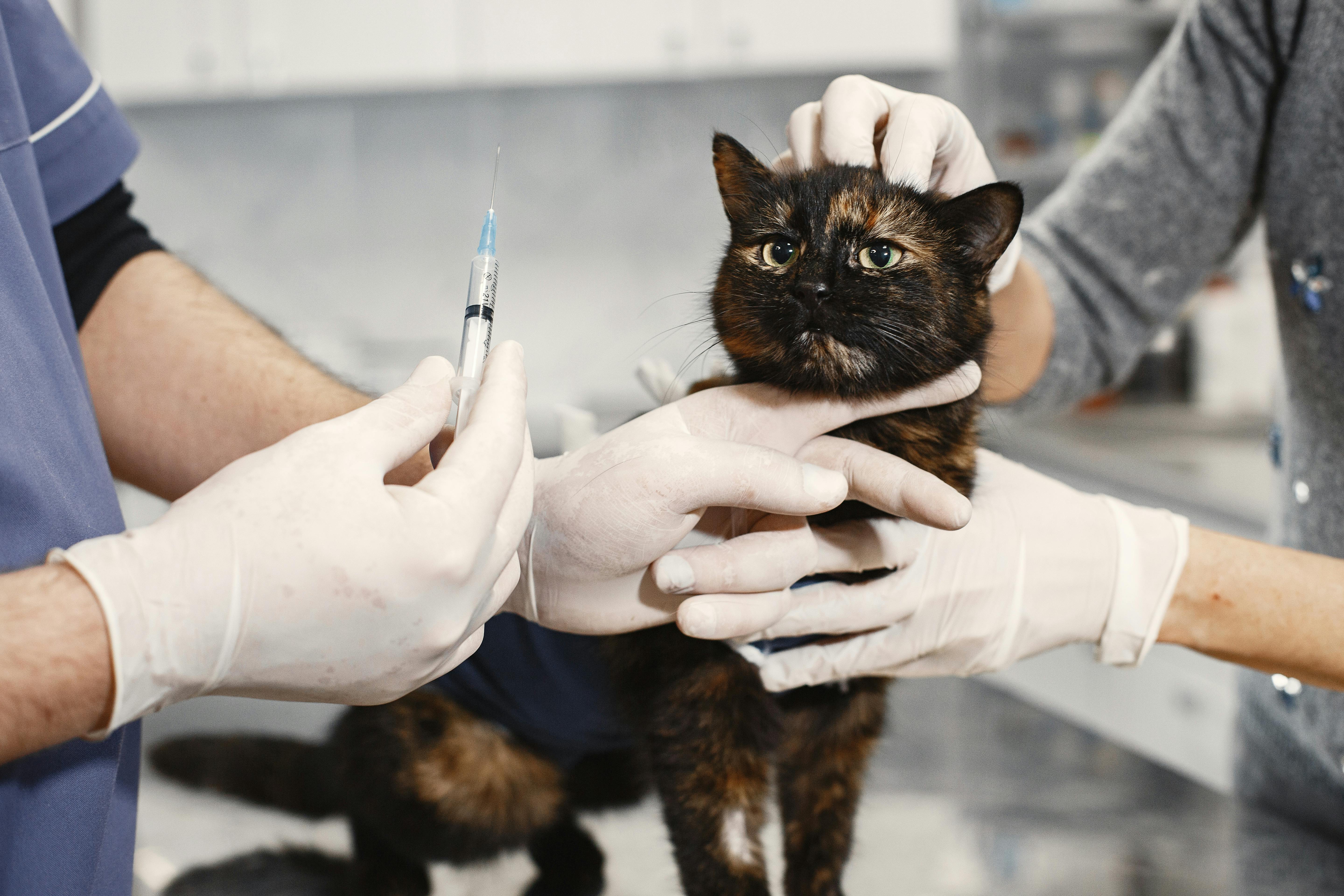
Essential vaccines (e.g., FVRCP, rabies) should be kept up to date, even for indoor cats. Discuss non-core vaccines with your vet based on risk factors.
Microchipping
This permanent, non-invasive method ensures your cat can be identified and returned to you if lost.
Parasite Control
Indoor cats can still be exposed to fleas, ticks, and worms. Use vet-prescribed monthly parasite preventatives and maintain regular flea and deworming treatments.
Feeding Tips and Troubleshooting:
- Feeding Schedule:
- Morning: Serve half of the daily portion (wet or dry).
- Afternoon: Offer another small meal.
- Evening: Provide the final portion.
- For Picky Eaters: Warm the food slightly to enhance aroma or try offering different textures.
- Managing Overeating: Measure portions to prevent excessive eating. Use weight-control food if needed.
- Transitioning Foods: Switch gradually over 7-10 days, starting with 25% new food mixed with 75% current food, adjusting ratios over time.
Conclusion
Providing indoor cats with a diet tailored to their needs helps prevent health issues and promotes a long, healthy life. High-quality protein, healthy fats, fiber, and hydration are key components, paired with preventive care and vet check-ups. Embrace proactive care, and your cat will thrive with vitality and joy.

You Might Like
Top 7 Durable and Stylish Materials for Modern Furniture
Top 7 Modern Furniture Materials for Durable and Stylish Introduction The choice of material in furniture is not just a
Workplace Micro-Habits for Long-Term Wellness
Workplace Micro-Habits for Long-Term Wellness High levels of stress and relentless productivity demands in the modern workplace have relegated wellness
Medically Transform Your Health Right at Home
3 Tips Medically Transform Your Health Right at Home Introduction: Living healthier doesn’t have to mean joining an elite gym
10 Genius Storage Ideas for Small Apartments
10 Genius Storage Ideas for Small Apartment Storage Ideas Living in a small apartment can be anything from cozy to
Transform Your Living Space with Air-Purifying Plants: Day and Night Benefits
Transform Your Living Space with Air-Purifying Plants: Day and Night Benefits Breathing clean air in one’s home is indispensable for
How to Host an Eco-Friendly Christmas: 8 Tips for an Environmentally Friendly Holiday
How to Host an Eco-Friendly Christmas: 8 Tips for an Environmentally Friendly Holiday The things that make this time of
Instagram Feed
Coming Soon